


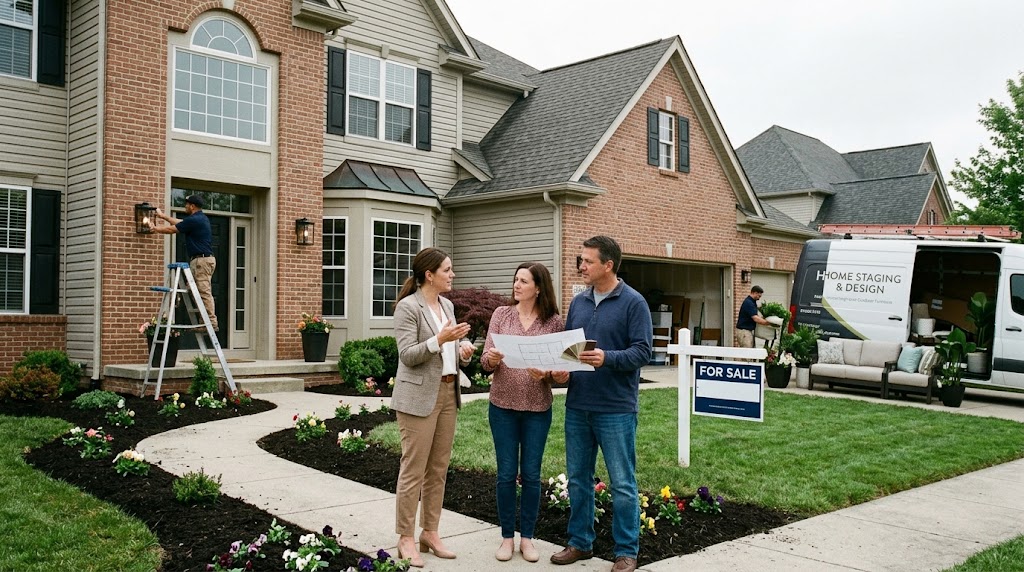
There is something genuinely discouraging about watching your home sit on the market while buyers seem to pass it by. You did the work, you listed it, and yet here you are, waiting. That feeling is more common than most sellers realize, and it does not mean your home is unsellable.
A slow start is not a verdict. Plenty of homes that struggled early went on to sell at strong prices once the right adjustments were made. The difference between those outcomes and a prolonged, painful price spiral usually comes down to one thing: whether the seller made a real strategic change or just waited longer doing the same thing.
That is what this article is about. Not a surface-level checklist, but the actual levers that move the needle when a listing has gone quiet. We will start with the highest-impact fixes first, so you can quickly identify where your listing has the most room to improve and what to do about it.
Top Dollar Starts With a Real Reset, Not Small Tweaks
When a listing has been sitting, the instinct is often to make minor adjustments and hope the market catches up. Shave a little off the price. Swap out one photo. Wait another week. The problem is that buyers are paying close attention, and small changes rarely shift their perception in any meaningful way.
Research on listing behavior suggests that many homes hit a critical turning point around the four-week mark. Before that point, some buyer hesitation is normal. After it, a listing that has not gained traction tends to attract a different kind of attention, specifically, buyers who wonder what is wrong with it and use that suspicion to negotiate harder.
What actually works is a reset that feels new. Not recycled, not patched up, but genuinely repositioned. That means looking at four things together rather than one at a time: pricing, presentation, marketing, and access. When all four are addressed at once, the relaunch reads as a fresh market entry rather than a desperate adjustment.
The goal here is to change how buyers perceive the home, and perception shifts fastest when the changes are visible and substantial. A new price alone rarely does it. New photos alone rarely do it either. But a home that comes back to market with better pricing, sharper visuals, stronger marketing, and easier access to schedule a showing? That is a different conversation entirely.
Treating the relaunch as a genuine new entry also means thinking carefully about timing. Coming back mid-week with no promotional push is a missed opportunity. A planned relaunch with a clear first-week strategy, updated assets, and proactive agent outreach gives the listing its best shot at building early momentum, which is exactly what stalled listings need most.
Price for the Market You Have, Not the One You Hoped For
Overpricing is the most common reason a solid home gets ignored, and it is also the easiest problem to misread. Sellers often assume that a lack of offers means buyers want more negotiating room, when the real issue is that the home is not making it onto enough shortlists in the first place.
Even pricing a home two to three percent above local market reality can meaningfully reduce showing activity. Buyers today are working with agents who run comparative market analyses before scheduling tours, so homes that look overpriced on paper often get filtered out before anyone ever steps through the door.
The comparison that matters most is not just recent sales but also active listings. Those are the homes your buyers are seeing right now, and they are making direct comparisons. If similar homes nearby are priced lower or offer more for the same price, your listing is losing that competition every day it sits.
Reading your showing data honestly is a useful starting point. Few showings almost always point to a price or first-impression problem, since buyers are not even curious enough to visit. Many showings without offers tend to signal a condition or expectation gap, where buyers are coming but finding something that does not match what the listing promised. Both situations are fixable, but they call for different responses.
Pricing strategically early tends to protect sellers better than chasing the market downward through a series of small reductions. Each price cut signals to buyers that the home has been sitting, which invites lower offers and more aggressive negotiating. A well-positioned price from the relaunch, one that reflects current comparable sales and active competition, puts the seller in a much stronger position to hold firm and close at a number that works.
Fix the First Impression Before Buyers Ever Walk In
Most buyers form a strong opinion about a home before they ever schedule a showing. They scroll through listing photos, and within seconds, they have already decided whether the home is worth their time. That means your photography is not just a marketing asset, it is the first filter buyers use to decide if your home even makes the list.
According to the National Association of Realtors, listing photos rank among the most useful features buyers rely on during their home search. Despite that, many listings still go live with dim, cluttered, or poorly composed images that undersell what the home actually offers. Professional photography is one of the highest-return investments a seller can make at this stage, and it is also one of the most visible signals that a relaunch is serious.
Beyond the photos themselves, the lead image matters more than most sellers realize. Buyers often make a snap judgment based on the first photo alone, so leading with the home's strongest visual, whether that is a well-lit living room, a renovated kitchen, or an appealing exterior shot, sets the right tone immediately.
Staging works alongside photography to help buyers understand how the home actually lives. It is less about decoration and more about clarity. When a room has a clear purpose and feels appropriately sized, buyers can see themselves in it. Practical changes make a real difference here, things like removing oversized furniture that makes rooms feel cramped, clearing surfaces so spaces feel open, brightening rooms that photograph dark, and giving awkward or undefined spaces a clear function. A home office, a reading nook, or even a simple seating area can transform a room that previously left buyers confused.
Adding a floor plan or a short video walkthrough to the listing also helps buyers get a better sense of the layout before they visit, which tends to attract more serious, informed showings rather than casual drive-bys.
Give Buyers a Reason to Choose Your Home Over the Competition
Good presentation gets buyers through the door, but positioning is what gets them to make an offer. At this stage, the question shifts from "does this home look appealing?" to "why would a buyer choose this home over everything else available right now?"
That answer lives in your listing copy and your marketing reach. Generic descriptions that list square footage and bedroom counts without any real personality do not help buyers connect with a home. Rewriting the listing copy around the home's strongest features, whether that is an open layout, recent updates, walkability to specific amenities, a larger lot, or a lifestyle fit that competing homes cannot match, gives the right buyer a reason to act.
Strong copy also does some quiet work by addressing likely objections upfront. If the home is on a busy street, the listing can highlight the soundproofing upgrades or the private backyard. If the square footage is smaller than nearby options, the copy can emphasize the smarter layout or the lower maintenance costs. Honest, specific language builds more trust than vague enthusiasm.
Marketing reach matters just as much as the message. A relaunch is the right moment to push harder across multiple channels at once rather than relying on the MLS alone. That means direct outreach from your agent to buyer's agents in the area, targeted digital advertising, social media promotion, and a well-timed open house that creates a sense of activity around the listing. Concentrated early exposure during the first week of a relaunch tends to generate the kind of momentum that a quiet listing needs.
The best marketing does not oversell the home. It presents the home's actual value clearly and specifically, so the right buyer recognizes it quickly and feels confident moving forward.
Make the Home Easy to See and Easy to Say Yes To
A well-priced, well-presented home can still lose momentum if buyers run into friction when trying to see it or move forward with an offer. Showing access is a practical issue that sellers sometimes underestimate, but limited availability, complicated lockbox situations, or long notice requirements all create small barriers that add up.
Flexible showing windows, a consistent pre-showing routine that keeps the home presentation-ready, and a straightforward scheduling process all make it easier for serious buyers to act quickly. When a buyer has to jump through hoops to book a tour, some of them simply move on to the next listing.
Buyer confidence also comes from transparency. Handling noticeable repairs before relisting removes the mental math buyers do when they spot deferred maintenance. Disclosing key information early, rather than waiting for it to surface during inspection, keeps the process moving and reduces the chance of a deal falling apart later.
Having useful documents ready to share also signals that you are a prepared, trustworthy seller. Things like repair receipts, utility history, HOA details, and any relevant inspection reports give buyers a clearer picture of what they are getting into. That kind of transparency tends to reduce the back-and-forth that slows deals down and makes buyers more comfortable committing to the price rather than negotiating it down as a hedge against uncertainty.
Smoother deals close more reliably too. A buyer who feels informed and has had an easy experience scheduling and touring the home is far more likely to follow through to closing than one who felt like they had to work for every piece of information.
Relaunch With a New Strategy, Not Just a New MLS Clock
Pulling a listing and relisting it only helps if something meaningful has changed. Buyers and their agents notice when a home returns to the market, and they will compare the new listing to the old one. If the price is the same, the photos look familiar, and the description reads the same way, the relaunch will not generate new interest. It will just reset the days-on-market counter while the same underlying issues remain.
A relaunch earns attention when the changes are visible and credible. New pricing that reflects the current market, fresh professional photos, improved condition, and a sharper listing message all signal that this is a genuinely different opportunity. Buyers who passed on the home the first time around are more likely to reconsider when the listing looks substantively different.
The decision about whether to stay on the market and improve versus pull and relist depends on how much time has passed and how significant the changes are. If the updates are minor, staying active and adjusting in place may be fine. If the home needs a full repositioning across price, presentation, and marketing, a clean relist with a planned relaunch gives the listing a better shot at feeling new to the market.
Building a simple relaunch plan helps keep the process intentional. That means setting a target relaunch date, completing any repairs or staging updates before that date, having new photography done, and lining up a first-week promotional push so the listing does not just quietly reappear. An intentional relaunch builds credibility. A rushed or half-finished one tends to confirm whatever doubts buyers already had.
Do Not Let Frustration Make the Next Decision for You
Selling a home that has been overlooked carries a real emotional weight. It is easy to become defensive about the original asking price, or to feel like the market is being unfair, or to make reactive decisions out of frustration rather than strategy. Those feelings are understandable, but they are also the ones most likely to lead to choices that make the situation harder to recover from.
Buyer silence is market feedback. It is not a personal judgment on the home or on you as a seller. When showings are slow or offers are not coming, the market is communicating something specific, and the most useful response is to get curious about what that is rather than dismissive of it.
The shift that tends to help most is moving away from "why didn't this sell before?" and toward "what will make the right buyer act now?" The first question looks backward and tends to generate frustration. The second one looks forward and opens up practical options.
Sellers who focus on the things within their control, specifically price, condition, marketing, and access, tend to feel more grounded through the process. Those four levers are enough to make a real difference, and none of them require luck or a sudden market shift. They just require a clear-eyed look at what the listing needs and the willingness to make the changes.
Getting to that place can feel difficult when you are in the middle of a stalled sale, but the sellers who come out of it well are almost always the ones who treated the reset as an opportunity rather than a setback.
What a Thoughtful Reset Can Actually Do
A top-dollar result after a slow start does not usually come from patience alone. It comes from a full strategic reset that addresses the real reasons buyers were not responding and makes changes visible enough to shift their perception.
The levers that matter most are realistic pricing based on current market data, presentation that holds up against competing listings, professional photography that does the home justice, marketing that reaches the right buyers with a clear and honest message, and showing access that makes it easy for serious buyers to move quickly.
An overlooked listing is not a permanent condition. It is a positioning problem, and positioning can be changed. Sellers who approach the relaunch with a clear plan and a willingness to make real adjustments consistently put themselves in a better spot than those who make incremental changes and hope for a different result.
The path forward is more straightforward than it might feel right now. Identify what stalled the listing, address it directly, and relaunch in a way that gives buyers a genuinely compelling reason to pay attention.
Check out this article next